Description
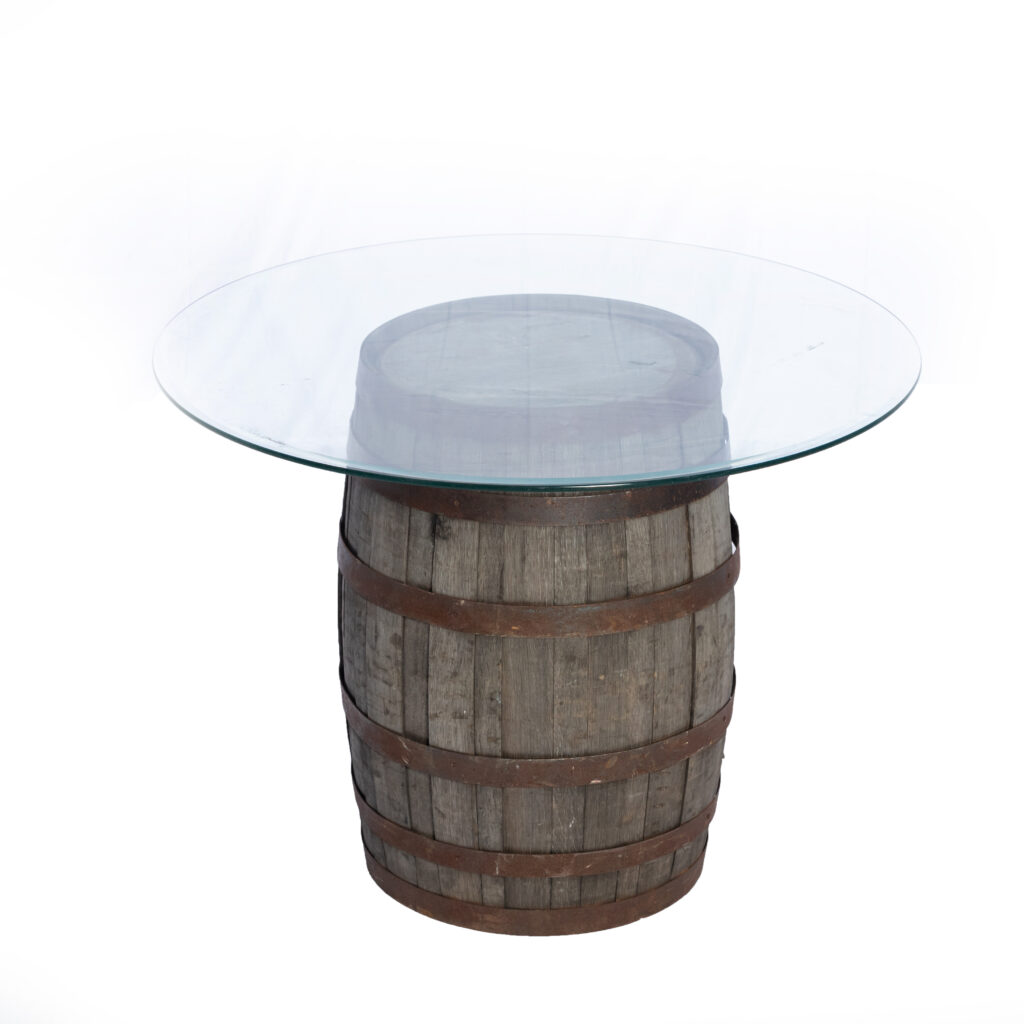
Round glass top tables come in three diameters: 38 inches, 42 inches and 48 inches. Glass goes out undraped. So these tables take the linen line off the order and put the base on show instead.
Choosing between the three sizes
The jump from 38 to 48 inches sounds small and is not. A 38-inch round is an accent size. It holds a seating group together and carries a lamp or a floral arrangement. It also fits where a larger table would block a lane. The 48-inch round is a working table. Guests gather around it, and a display sits on it with room to spare. The 42-inch sits between the two, which makes it the awkward size to specify and the useful one to have.
So pick the size against the job rather than the room. Measure what is going on the table first. Then add the reach a guest needs around it.
No cloth means the base is visible
A draped table hides everything underneath. A glass top hides nothing. So the base becomes part of the look, and anything stored below it shows. That rules these tables out as a place to tuck boxes, cables or spare glassware during service. Plan somewhere else for that, and the table stays clean all evening.
Glass also shows marks. Fingerprints, water rings and dust all read under a spotlight. So a glass table near a light source needs a wipe partway through the event. Tell the venue or the caterer that, because nobody else will think of it.
Stock is the real constraint
We hold very few of each size, which makes these tables different from our folding rounds. So ask us to check the diameter against your date before you build a floor plan around it. If the count matters more than the material, the round cocktail tables come in quantity. Then the full table range covers the sizes we carry in depth.
One more question is worth settling on the call. Tell us how you intend to use each table. Then we can confirm the height and the base you will be getting, so nothing surprises you at setup.
Add round glass top tables to your quote request with the sizes and your date, and we will confirm what is open.